
Step into the world of online gaming compatibility where your gaming experience reaches new heights! From card games to racing games, we’ll explore how different genres are adapting to the online realm. Get ready for an exciting journey filled with insights and tips to level up your gameplay.
Dive deep into the realm of online game compatibility and discover the secrets to seamless cross-platform gaming.
Card Games
Playing card games online has become increasingly popular due to the convenience and accessibility it offers. Users can enjoy their favorite card games on various online platforms, allowing them to play anytime and anywhere. When comparing the user experience of playing card games online versus in-person, online play offers the advantage of connecting with players from around the world, providing a wider pool of opponents to challenge.
Additionally, online platforms often offer features such as tutorials, practice modes, and live chat options, enhancing the overall gaming experience.
Compatibility with Online Platforms
- Popular card games like Poker, Blackjack, Solitaire, and Hearts are widely compatible with online platforms, available on websites and mobile apps.
- Online platforms provide options for single-player and multiplayer modes, allowing users to play against AI or compete with friends and other players.
- Many online platforms offer customizable settings, bonuses, and rewards, adding an element of excitement to the gameplay.
Racing Games
Racing games have always been a popular genre among gamers, offering thrilling experiences and adrenaline-pumping action. In today’s gaming landscape, the importance of online game compatibility for racing games cannot be overstated.Online gameplay enhances the racing gaming experience by allowing players to compete against each other in real-time, regardless of their physical location. This adds a competitive edge to the gameplay, as players can test their skills against a wider pool of opponents and engage in intense races with friends or strangers from around the world.
Online Multiplayer Features
Online multiplayer features in racing games bring a whole new level of excitement and challenge to the gaming experience. Here are some key ways in which online gameplay enhances the racing game community:
- Real-Time Competition: Online racing allows players to compete in real-time against other players, creating a dynamic and engaging multiplayer experience.
- Global Community: Cross-platform compatibility enables players from different gaming consoles or platforms to race against each other, fostering a diverse and vibrant community of racing enthusiasts.
- Leaderboards and Rankings: Online gameplay often includes leaderboards and rankings, allowing players to track their progress, compare their skills with others, and strive for the top spot.
- Team Racing: Many racing games feature team-based multiplayer modes, where players can collaborate with friends or other online players to achieve victory, adding a cooperative element to the competitive gameplay.
Online Games Adventure
Online adventure games have become increasingly popular due to their immersive storylines, challenging puzzles, and engaging gameplay. These games allow players to embark on virtual quests, solve mysteries, and explore fantastical worlds from the comfort of their own devices. The compatibility of online adventure games across various platforms has played a crucial role in their widespread appeal.
Key Factors for Compatibility
- Cloud-based technology: Online adventure games often utilize cloud-based servers to store game data, allowing players to access their progress from different devices seamlessly.
- Responsive design: Game developers prioritize responsive design to ensure that the game interface adapts to different screen sizes and resolutions, optimizing the gaming experience on various devices.
- Cross-platform support: Many online adventure games offer cross-platform support, enabling players to enjoy the game on PCs, consoles, and mobile devices without losing progress or features.
Evolution of Compatibility
- Early online adventure games were limited to specific platforms, requiring players to stick to a single device for gameplay.
- Advancements in technology and game development have led to the seamless integration of online adventure games across multiple devices, allowing for a more flexible gaming experience.
- With the rise of cloud gaming services and cross-platform compatibility features, players can now enjoy online adventure games on a wide range of devices without constraints.
Successful Examples
-
Fortnite
: This popular online adventure game offers cross-platform play, allowing players on different devices to team up and compete together.
-
Minecraft
: With its compatibility across PCs, consoles, and mobile devices, Minecraft has become a beloved online adventure game for players of all ages.
-
Among Us
: This multiplayer online adventure game supports cross-platform play, enabling seamless gameplay experiences for players on various devices.
Mobile Casual Games
Mobile casual games present a unique set of challenges for developers when it comes to optimizing them for mobile devices. These games are designed to be easy to pick up and play, making them popular among a wide range of players. However, ensuring that they run smoothly and are enjoyable on various mobile devices can be a complex task.
Compatibility Challenges
- Screen Size and Resolution: Developers need to consider the wide range of screen sizes and resolutions on different mobile devices. Ensuring that the game displays correctly and is playable on all devices can be a challenge.
- Touch Controls: Mobile casual games often rely on touch controls, which can vary in sensitivity and responsiveness across devices. Developers need to optimize these controls for a smooth gaming experience.
- Performance: Ensuring that the game runs smoothly without lag or crashes on all devices is crucial. Developers need to optimize the game’s performance for a range of hardware specifications.
Improving Cross-Device Compatibility
- Responsive Design: Implementing a responsive design that adapts to different screen sizes and resolutions can help improve cross-device compatibility.
- Testing: Thoroughly testing the game on a variety of devices can help identify compatibility issues early on. This allows developers to make necessary adjustments for a better user experience.
- Optimization: Optimizing the game’s code, graphics, and assets can improve performance on different devices. Minimizing resource usage can help ensure smooth gameplay.
Impact of Cross-Platform Play
- Increased Engagement: Cross-platform play allows players to enjoy the game with friends regardless of the device they are using. This can lead to increased engagement and longer play sessions.
- Broader Audience: By enabling cross-platform play, developers can reach a broader audience of players who may prefer different types of devices. This can help expand the game’s popularity and reach.
- Community Building: Cross-platform play fosters a sense of community among players, as they can connect and compete with friends on different devices. This can enhance the overall gaming experience and encourage player retention.
Console Systems
Console systems have evolved significantly to cater to the demands of online gaming, ensuring compatibility with a wide range of games. With advancements in technology, consoles have adapted to provide seamless online gaming experiences for players around the world.
Backward Compatibility
One of the key features that have been introduced in modern console systems is backward compatibility. This allows players to enjoy older games on the latest consoles, including the ability to play them online. This feature has been well-received by gamers who want to revisit classic titles and experience nostalgia while still being able to engage in online gameplay.
Comparison of Online Gaming Experience
- PlayStation: The PlayStation console series has always been known for its strong online gaming community and support. With features like PlayStation Network, players can easily connect with friends and compete in online matches seamlessly.
- Xbox: Xbox consoles have also made significant strides in enhancing the online gaming experience. With Xbox Live, players can access a wide range of online games, communicate with other players, and participate in multiplayer matches effortlessly.
- Nintendo Switch: While Nintendo has been traditionally more focused on local multiplayer experiences, the Nintendo Switch has embraced online gaming with titles like Mario Kart and Splatoon. The Switch Online service provides access to online play and classic NES games for subscribers.
Computer Games
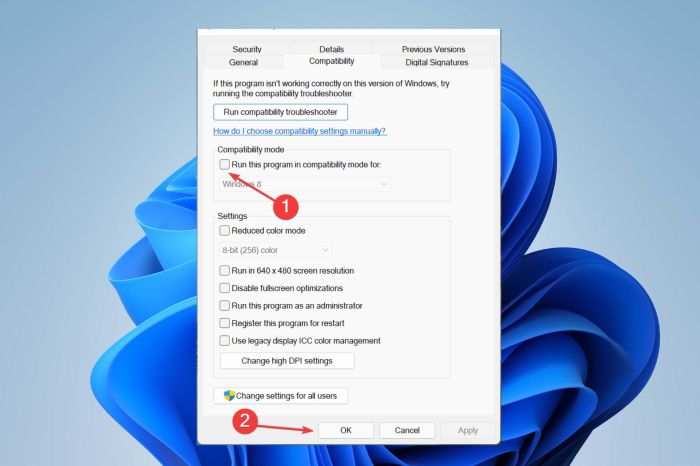
Computer games have become increasingly popular over the years, with a wide variety of titles available for players to enjoy on their PCs. In the development process of computer games, compatibility testing plays a crucial role in ensuring a seamless gaming experience for all users.
Significance of Compatibility Testing
- Compatibility testing helps developers identify and resolve any issues that may arise when the game is played on different computer configurations.
- It ensures that the game runs smoothly on a range of hardware setups, including varying operating systems, processors, graphics cards, and memory capacities.
- By conducting compatibility testing, developers can minimize the risk of crashes, bugs, and other technical problems that may hinder gameplay.
Challenges in Ensuring Smooth Online Gameplay
- One of the main challenges developers face is the diversity of computer configurations, making it difficult to anticipate all potential compatibility issues.
- Network connectivity issues can also affect online gameplay, leading to lag, latency, and other performance issues that impact the overall gaming experience.
- Ensuring cross-platform compatibility adds an extra layer of complexity, as developers must account for differences in hardware, software, and network capabilities across various devices.
Examples of Cross-Platform Compatible Computer Games
-
Fortnite:
This popular battle royale game is known for its cross-platform play, allowing players on PC, consoles, and mobile devices to compete against each other.
-
Minecraft:
With its “Better Together” update, Minecraft enables players on different platforms, including PC, Xbox, and mobile, to play together in the same world.
-
Rocket League:
This high-octane sports game supports cross-platform play between PC, consoles, and even Nintendo Switch, promoting a united gaming community.
Adventure Games
Adventure games have come a long way from their single-player roots, now embracing online multiplayer features to enhance the gaming experience. The evolution of technology has allowed developers to create immersive worlds where players can embark on quests, solve puzzles, and interact with each other in real-time.
Evolution of Multiplayer Features
- Online multiplayer features in adventure games have opened up new possibilities for collaboration and competition among players.
- Cooperative gameplay allows friends to team up and tackle challenges together, while competitive modes add an extra layer of excitement.
- With the rise of online multiplayer, developers have been able to create larger and more dynamic game worlds that can be explored with others in real-time.
Impact of Cross-Platform Compatibility
- Cross-platform compatibility has revolutionized the storytelling aspect of adventure games by allowing players on different devices to connect and play together seamlessly.
- Players can now join forces with friends regardless of whether they are on a console, PC, or mobile device, creating a more inclusive and diverse gaming community.
- Developers can focus on crafting engaging narratives that transcend hardware limitations, offering a cohesive experience for players across platforms.
Role of Online Communities
- Online communities play a crucial role in shaping the experience of playing adventure games across platforms, fostering a sense of camaraderie and competition among players.
- Players can share tips, strategies, and stories with each other, enhancing the overall gameplay experience and building a sense of community within the game.
- Through forums, social media, and in-game chat features, online communities contribute to the longevity of adventure games by creating a space for players to connect and engage with one another.
Fighting Games
Fighting games are a popular genre that requires precise timing and quick reactions from players to succeed. In online play, low latency is crucial to ensure that movements and attacks are registered accurately and in real-time, impacting the overall compatibility of the game.
Importance of Low Latency in Online Fighting Games
Low latency is essential in online fighting games as even the slightest delay can disrupt the flow of gameplay and lead to unfair advantages for one player over the other. This can result in frustrating experiences and decreased player satisfaction. To maintain compatibility across different platforms, developers must prioritize minimizing latency to provide a seamless gaming experience for all players.
- Reduced input lag: Low latency ensures that player inputs are registered immediately, allowing for precise control and execution of moves during fights.
- Equal playing field: By minimizing latency, all players have an equal opportunity to showcase their skills without being hindered by network delays.
- Enhanced competitiveness: Smooth online gameplay due to low latency encourages more competitive matches and fosters a thriving gaming community.
Role of Netcode in Ensuring Smooth Online Gameplay
Netcode plays a vital role in ensuring smooth online gameplay for fighting games across platforms. It refers to the underlying code that manages communication between players over a network, determining how the game reacts to inputs in real-time. A robust netcode implementation is crucial for maintaining compatibility and providing an enjoyable online experience for players.
- Rollback netcode: This type of netcode predicts player actions to compensate for latency, allowing for smoother gameplay by rolling back to a previous game state if needed.
- Input delay netcode: Another approach to netcode involves adding a slight input delay to synchronize players’ actions, reducing the impact of latency on gameplay.
- Cross-platform netcode: Developers can implement netcode that enables cross-play functionality, allowing players on different platforms to compete against each other seamlessly.
Examples of Fighting Games with Cross-Play Functionality
Some fighting games have successfully implemented cross-play functionality, allowing players on various platforms to compete against each other online:
- Street Fighter V: This popular fighting game from Capcom supports cross-play between PlayStation and PC players, expanding the player base and enhancing the online experience.
- Guilty Gear -Strive-: The latest installment in the Guilty Gear series features cross-play support across PlayStation, PC, and PlayStation consoles, enabling players to challenge each other regardless of their platform.
- Power Rangers: Battle for the Grid: This fighting game supports cross-play between PlayStation, Xbox, Nintendo Switch, and PC platforms, promoting a unified community of players.
Closing Notes
As we wrap up our exploration of online game compatibility, remember that the key to unlocking a truly immersive gaming experience lies in understanding how different games adapt to various platforms. Whether you’re a casual gamer or a hardcore enthusiast, compatibility is the key to unlocking endless gaming possibilities. So, gear up, stay connected, and game on!
Essential FAQs
How important is online game compatibility for gamers?
Online game compatibility is crucial for gamers as it allows them to seamlessly enjoy their favorite games across different platforms, enhancing their overall gaming experience.
Can I play the same game online with friends using different devices?
Yes, many games now offer cross-platform play, allowing users on different devices to play together online.
Are there any tips for improving cross-device compatibility in mobile casual games?
Optimizing graphics settings, ensuring smooth connectivity, and regular updates can help enhance cross-device compatibility in mobile casual games.
How does backward compatibility impact online gaming on modern consoles?
Backward compatibility allows gamers to enjoy older titles online on modern consoles, expanding the library of games and fostering a diverse gaming community.
What role do online communities play in shaping the gaming experience across platforms?
Online communities provide a platform for gamers to connect, share experiences, and enhance their gameplay by fostering a sense of camaraderie and competition.


