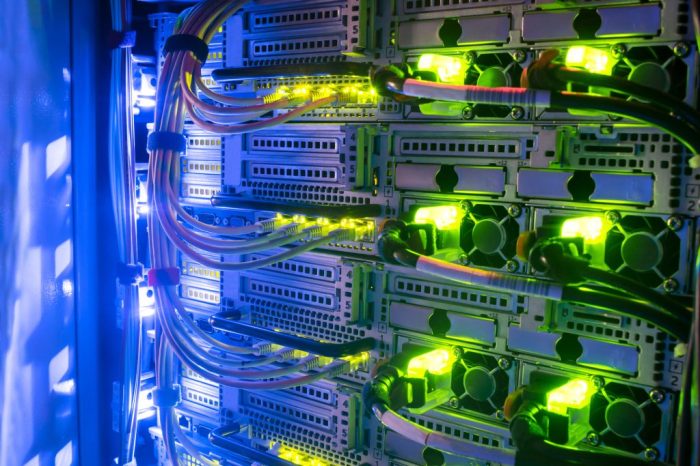
Diving into the world of Server Maintenance, where regular upkeep is the key to a well-functioning system. Buckle up for a journey through the ins and outs of keeping your servers in top shape!
Overview of Server Maintenance
Regular server maintenance is crucial for ensuring the smooth operation and optimal performance of a server. Neglecting server maintenance can lead to various issues such as system crashes, data loss, security vulnerabilities, and reduced efficiency. It is important to perform routine maintenance tasks to prevent these problems and keep the server running smoothly.
Common Tasks in Server Maintenance
- Installing software updates and patches: Keeping the server software up to date is essential for security and performance improvements.
- Monitoring server performance: Regularly monitoring server performance metrics can help identify potential issues before they escalate.
- Backups: Regularly backing up data is crucial to prevent data loss in case of hardware failure or other incidents.
- Checking hardware health: Monitoring hardware components such as hard drives, memory, and processors can help prevent unexpected failures.
- Optimizing server resources: Adjusting server configurations to optimize resource usage can improve performance and efficiency.
Impact of Neglecting Server Maintenance
Failure to perform regular server maintenance can have severe consequences on system performance and security. Neglected servers are more prone to crashes, downtime, data loss, and security breaches. Without proper maintenance, servers can become unstable, slow, and vulnerable to cyber attacks.
Types of Server Maintenance
When it comes to maintaining servers, there are different types of maintenance that can be performed to ensure optimal performance and reliability. Let’s explore the two main categories of server maintenance: preventive maintenance and corrective maintenance.
Preventive Maintenance vs Corrective Maintenance
Preventive maintenance involves regular tasks and checks that are performed proactively to prevent potential issues before they occur. This type of maintenance includes activities like routine backups, security updates, hardware inspections, and performance tuning. By staying ahead of problems, preventive maintenance helps minimize downtime and keep the server running smoothly.On the other hand, corrective maintenance is reactive in nature and focuses on fixing issues that have already occurred.
This type of maintenance involves troubleshooting problems, identifying the root cause, and implementing solutions to resolve the issues. Corrective maintenance is essential for addressing unexpected failures and ensuring that the server is back up and running as quickly as possible.
Scheduled Maintenance vs Emergency Maintenance
Scheduled maintenance is planned in advance and conducted during predefined maintenance windows to minimize disruption to users. This type of maintenance includes tasks like software updates, hardware upgrades, and routine maintenance activities. By scheduling maintenance during off-peak hours, organizations can reduce the impact on operations and ensure that users are not affected during critical times.In contrast, emergency maintenance is performed in response to urgent issues that require immediate attention.
This type of maintenance is unplanned and is conducted as soon as possible to address critical problems that are impacting the server’s performance or functionality. Emergency maintenance is crucial for resolving unexpected issues quickly and minimizing downtime.
Updating Software during Server Maintenance
During server maintenance, updating software is a critical task to ensure that the server is running the latest versions of applications, operating systems, and security patches. The process of updating software involves identifying available updates, testing them in a staging environment, and deploying them to the production server. By keeping software up to date, organizations can enhance security, improve performance, and ensure compatibility with the latest technologies.
Best Practices for Server Maintenance
Regular server maintenance is crucial for the smooth operation of your systems. Here are some best practices to follow:
Create a Server Maintenance Schedule
Establishing a consistent server maintenance schedule is essential to ensure that tasks are performed regularly and efficiently.
- Set specific dates and times for routine maintenance activities.
- Include tasks such as software updates, security patches, and hardware checks in your schedule.
- Prioritize critical tasks and allocate sufficient time for each maintenance activity.
Importance of Backups in Server Maintenance
Backing up your data is a critical aspect of server maintenance to prevent data loss in case of system failures or security breaches.
- Regularly schedule automated backups to ensure that your data is always protected.
- Store backups in secure locations, both on-site and off-site, to mitigate risks of data loss.
- Test your backups regularly to verify their integrity and reliability.
Role of Monitoring Tools in Server Maintenance
Monitoring tools play a vital role in efficiently managing server maintenance tasks by providing real-time insights and alerts.
- Use monitoring tools to track system performance, resource utilization, and potential issues proactively.
- Set up alerts for critical thresholds to address issues promptly and prevent system downtime.
- Utilize monitoring reports to analyze trends, identify bottlenecks, and optimize server performance.
Challenges in Server Maintenance

Server maintenance can pose several challenges that IT professionals need to navigate effectively to ensure smooth operations. Let’s explore some common challenges faced during server maintenance and strategies to overcome them.
1. Downtime Management
One of the biggest challenges during server maintenance is managing downtime. Downtime can disrupt operations, impact productivity, and lead to financial losses. To overcome this challenge, IT teams should schedule maintenance during off-peak hours, communicate with stakeholders about potential downtime, and have a backup plan in place.
2. Unexpected Issues
Unexpected issues can arise during server maintenance, such as hardware failures, software glitches, or network issues. To handle these unexpected challenges, IT professionals should conduct thorough pre-maintenance checks, have a contingency plan ready, and ensure quick response and resolution to minimize impact on operations.
Impact of Server Maintenance on Online Gaming
Server maintenance plays a crucial role in the world of online gaming, affecting the overall gaming experience, ensuring smooth gameplay, and preventing disruptions in online gaming services.
Enhanced Gaming Experience
- Server maintenance helps in optimizing the performance of gaming servers, reducing lag, and ensuring a seamless gaming experience for players.
- Regular maintenance allows for the detection and resolution of potential issues before they escalate, leading to uninterrupted gameplay sessions.
- By keeping servers up to date and well-maintained, online gaming platforms can offer enhanced graphics, faster load times, and overall better gaming performance.
Prevention of Disruptions
- Timely server maintenance helps in preventing unexpected downtimes, server crashes, or connectivity issues that can disrupt online gaming sessions.
- Scheduled maintenance windows allow for planned server updates and patches to be implemented without affecting the gaming experience of players during peak hours.
- Proactive maintenance measures ensure that online gaming platforms are prepared for increased traffic during popular events or game releases, avoiding potential outages.
Server Maintenance in Different Gaming Platforms
Server maintenance plays a crucial role in ensuring smooth gameplay and preventing downtime in various gaming platforms. Let’s explore how server maintenance impacts different gaming platforms:
Mobile Casual Games
Mobile casual games have gained immense popularity due to their accessibility and ease of play. Server maintenance in mobile casual games is essential to ensure that players can enjoy uninterrupted gaming experiences. During maintenance, developers may roll out updates, fix bugs, and optimize server performance to enhance gameplay.
Console Systems
Console systems, such as PlayStation, Xbox, and Nintendo Switch, rely on stable servers to provide online multiplayer functionality and access to digital content. Server maintenance on console systems is crucial for ensuring that players can connect with friends, download updates, and access online features without any disruptions. Regular maintenance helps prevent server overload and enhances overall gaming experience.
Computer Games
Server maintenance is equally important for computer games, especially massively multiplayer online games (MMOs) and online multiplayer games. Maintaining server stability is essential to prevent crashes, lag, and other technical issues that can impact gameplay. By conducting regular maintenance, game developers can address performance issues, implement security updates, and optimize server resources to provide a seamless gaming experience for players.
Server Maintenance and Game Genres
When it comes to server maintenance, different game genres have unique requirements and considerations that need to be addressed. Let’s dive into how server maintenance impacts specific game genres.
Importance of Server Maintenance for Card Games
Card games rely heavily on server stability and responsiveness to ensure a smooth gaming experience. Server maintenance in card games is crucial for maintaining fair gameplay, preventing cheating, and ensuring that all players have equal opportunities to enjoy the game.
Impact of Server Maintenance on Racing Games
Racing games are highly dependent on real-time interactions and synchronization among players. Server maintenance plays a vital role in ensuring that racing games run smoothly without lags, delays, or interruptions. Any downtime during server maintenance can disrupt races, affect leaderboards, and frustrate players.
Influence of Server Maintenance on Adventure Games
Adventure games often involve complex storylines, immersive environments, and interactive gameplay elements. Server maintenance directly affects the experience of playing adventure games by determining the availability of online features, multiplayer interactions, and content updates. Players may face disruptions, loss of progress, or limited access to game content during server maintenance periods.
Ensuring Smooth Gameplay through Server Maintenance
Maintaining smooth gameplay during server maintenance is crucial in the gaming industry to ensure a positive player experience. By implementing strategies that minimize disruptions and downtime, developers and administrators can enhance the overall gaming experience for players.
Strategies for Conducting Server Maintenance without Disrupting Gameplay
- Schedule maintenance during off-peak hours: Plan maintenance activities during times when fewer players are online to minimize impact on gameplay.
- Implement rolling updates: Update servers in segments to keep the game running smoothly while maintenance is ongoing.
- Communicate with players: Provide advance notice of maintenance schedules and updates to manage player expectations.
- Utilize backup servers: Have backup servers in place to ensure continuous gameplay in case of unexpected issues during maintenance.
Balance between Server Maintenance and Player Experience
- Strive for transparency: Keep players informed about maintenance schedules and progress to maintain trust and engagement.
- Prioritize critical updates: Focus on essential maintenance tasks to minimize downtime and prioritize player experience.
- Offer compensations: Provide in-game rewards or bonuses to players as a gesture of appreciation for their patience during maintenance periods.
Role of Server Maintenance in Enhancing Overall Gaming Experience
- Optimizing performance: Regular maintenance helps optimize server performance, leading to smoother gameplay and reduced lag.
- Ensuring stability: By addressing issues proactively through maintenance, servers can maintain stability and prevent crashes during gameplay.
- Enhancing security: Maintenance activities include security updates that protect player data and prevent hacking or cheating in games.
Closure
As we wrap up our discussion on Server Maintenance, remember that a well-maintained server is the backbone of smooth operations. Stay proactive, stay updated, and keep those servers running like a well-oiled machine!
FAQ Section
What are the consequences of neglecting server maintenance?
Neglecting server maintenance can lead to decreased system performance, security vulnerabilities, and potential data loss. It’s crucial to stay on top of regular maintenance tasks to avoid these issues.
How often should I create a server maintenance schedule?
It’s recommended to create a server maintenance schedule at least once a month to ensure that your system is running smoothly and efficiently. However, the frequency may vary depending on the complexity of your servers and the level of activity.
What role do monitoring tools play in server maintenance?
Monitoring tools are essential for tracking server performance, identifying potential issues, and ensuring timely responses to maintenance needs. They help in maintaining the health and stability of your servers.


